












organic FRAMING
madhav ashram b
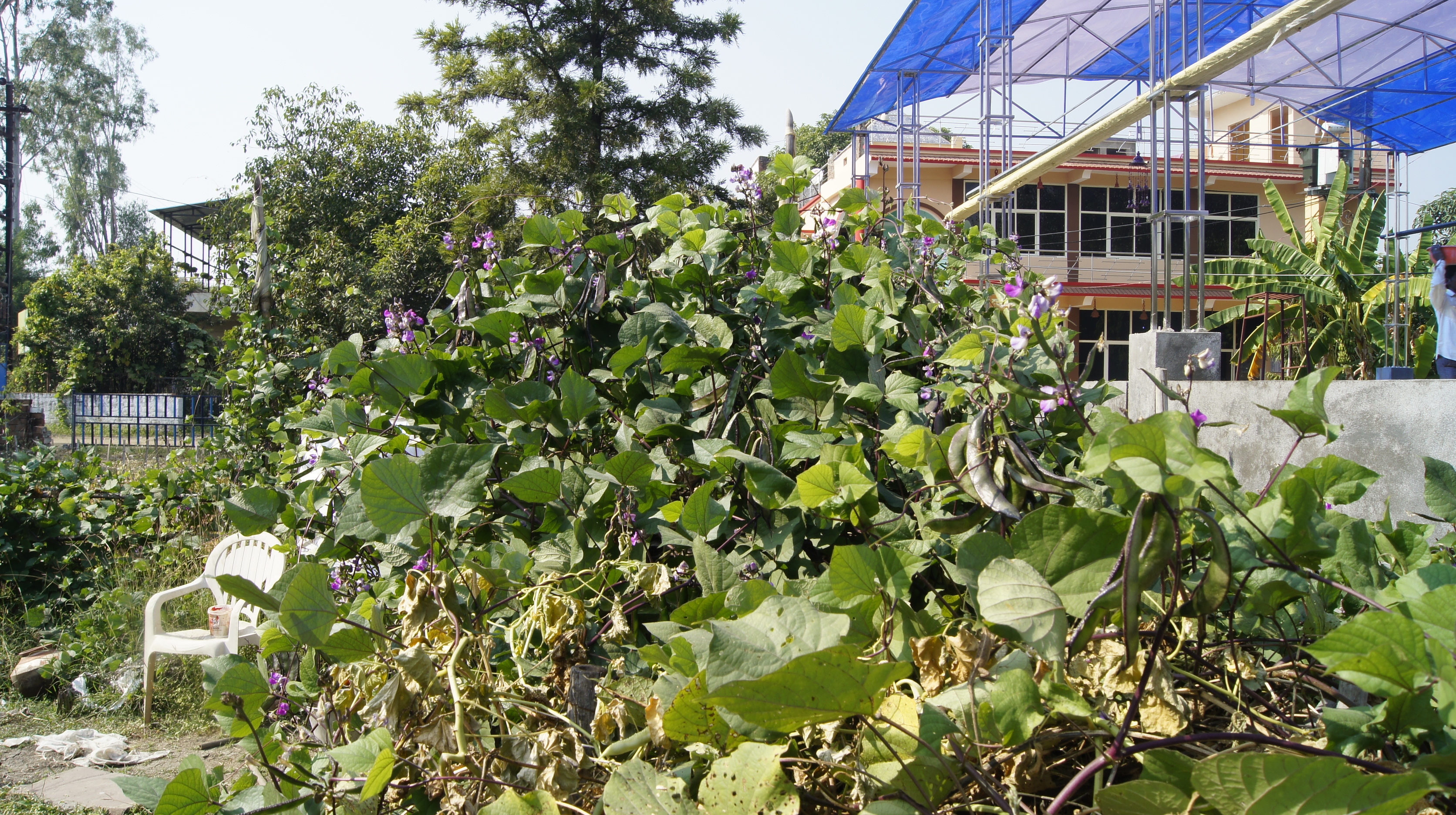
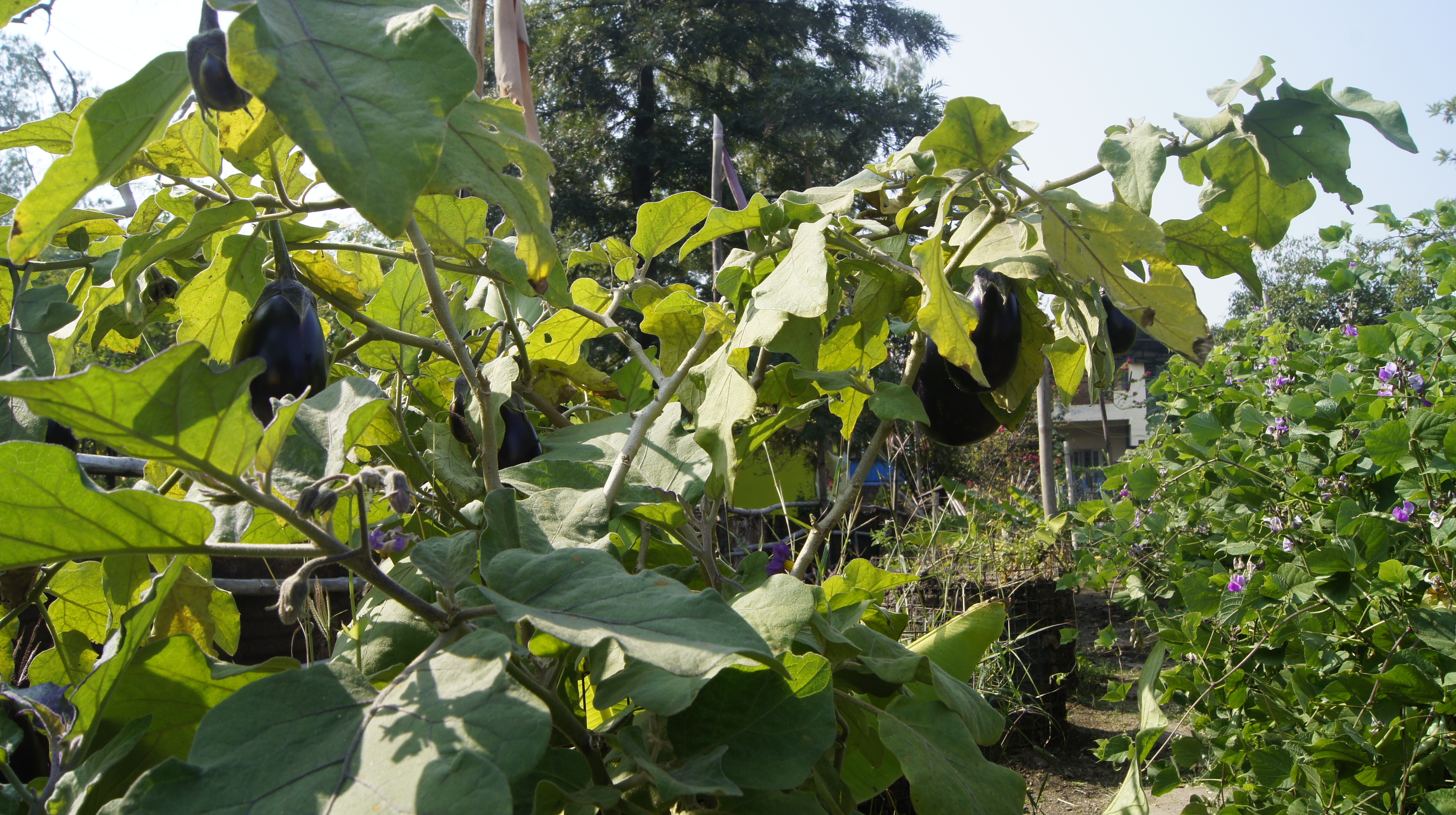
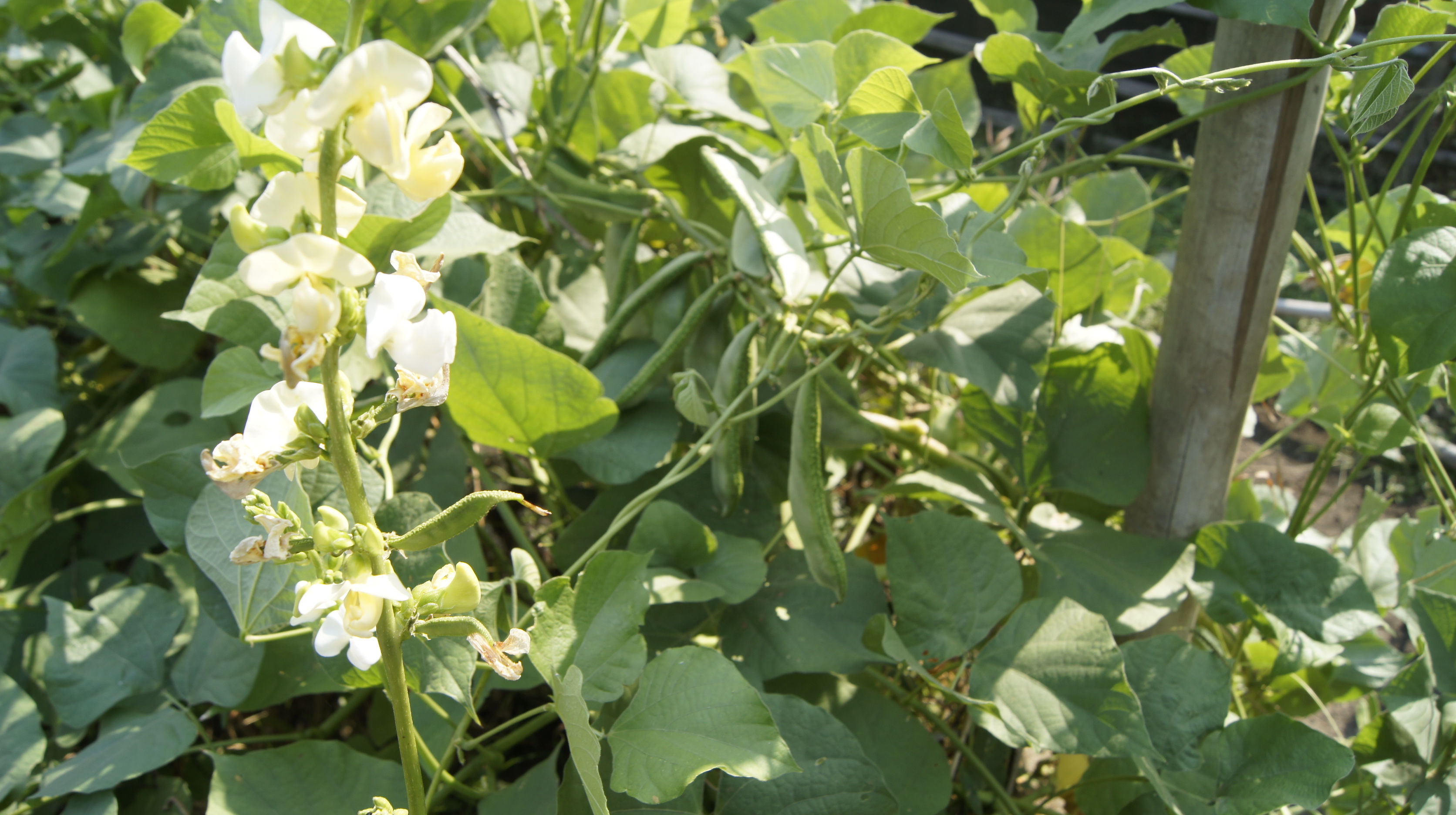
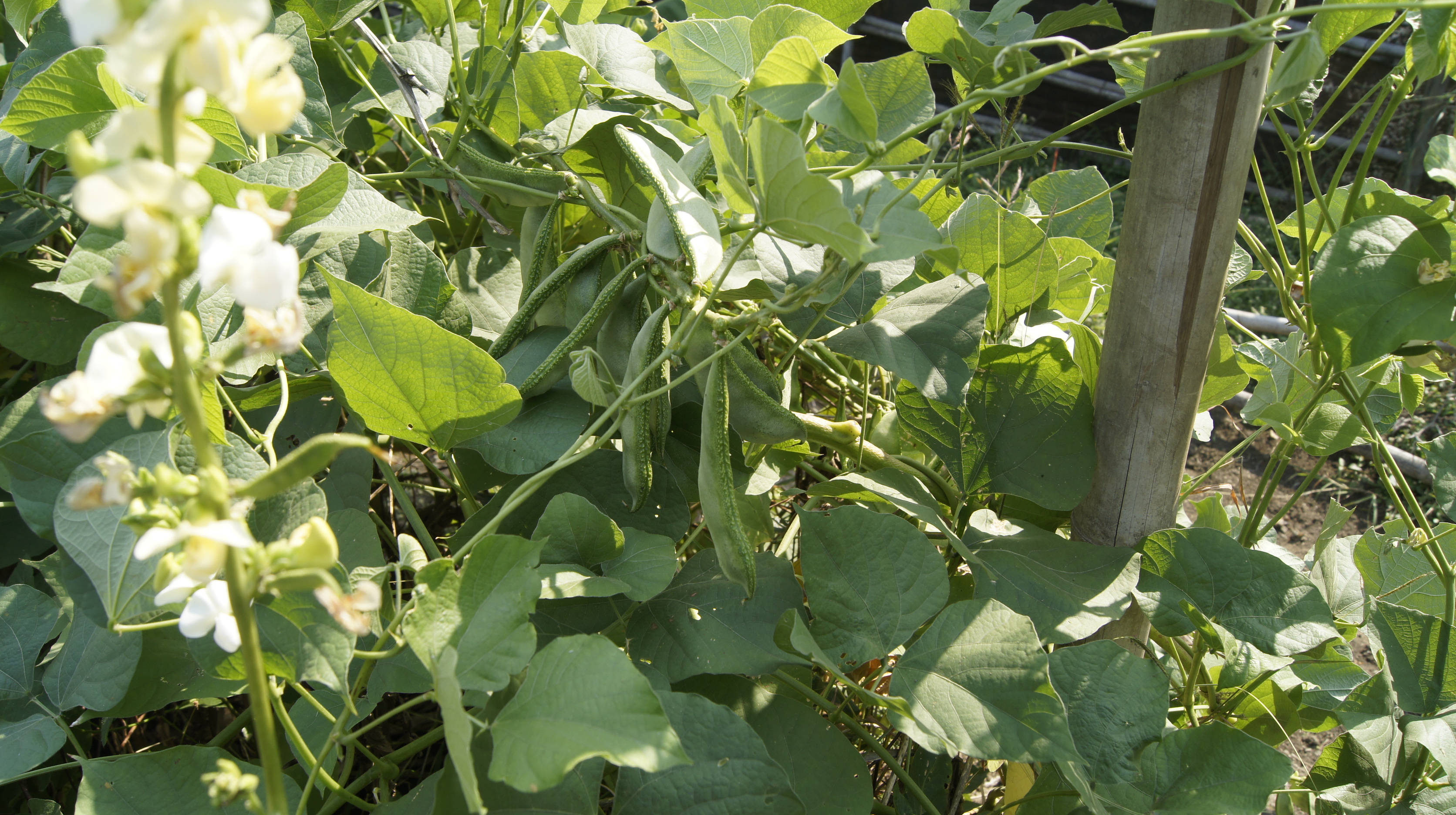
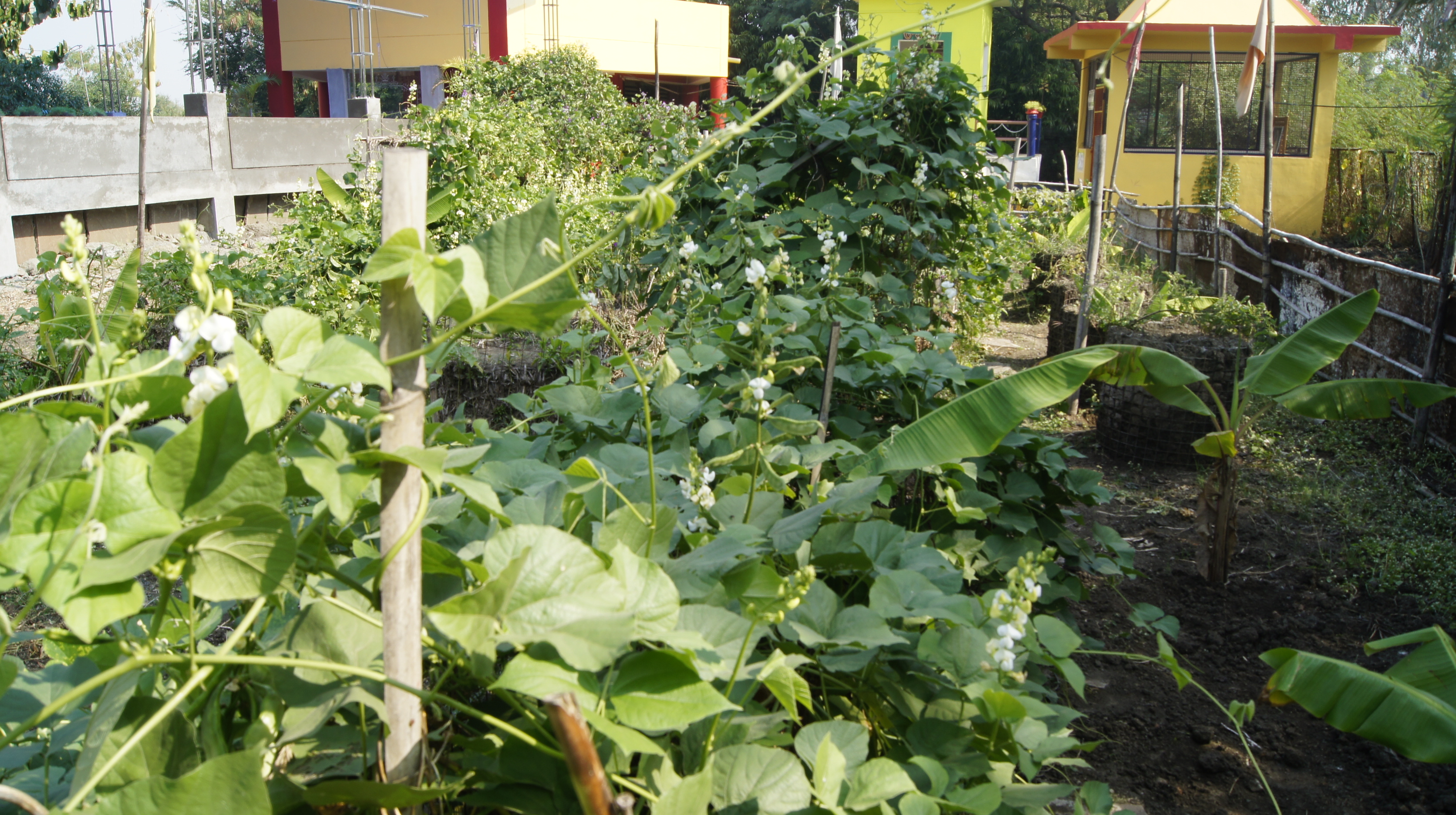
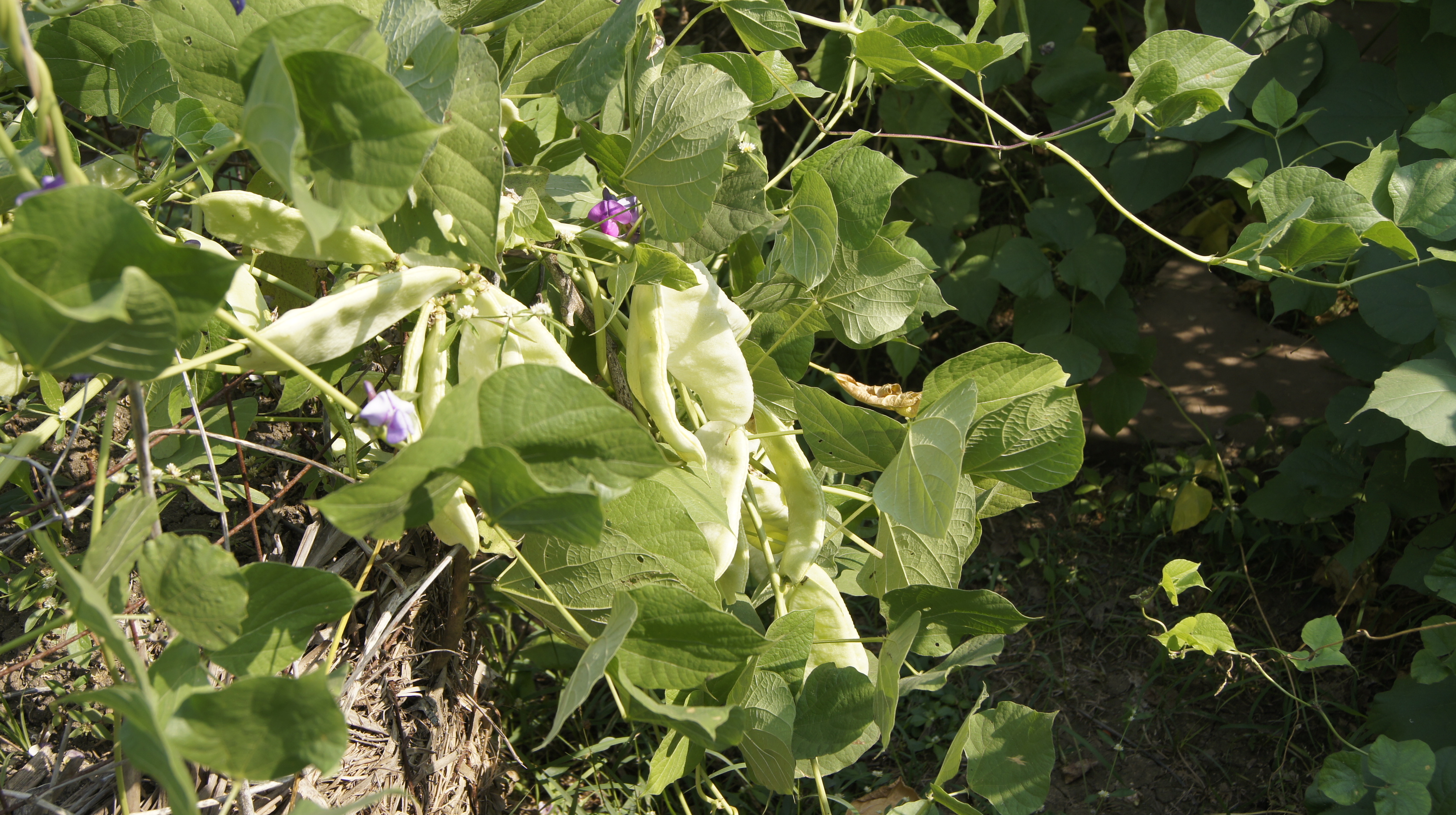
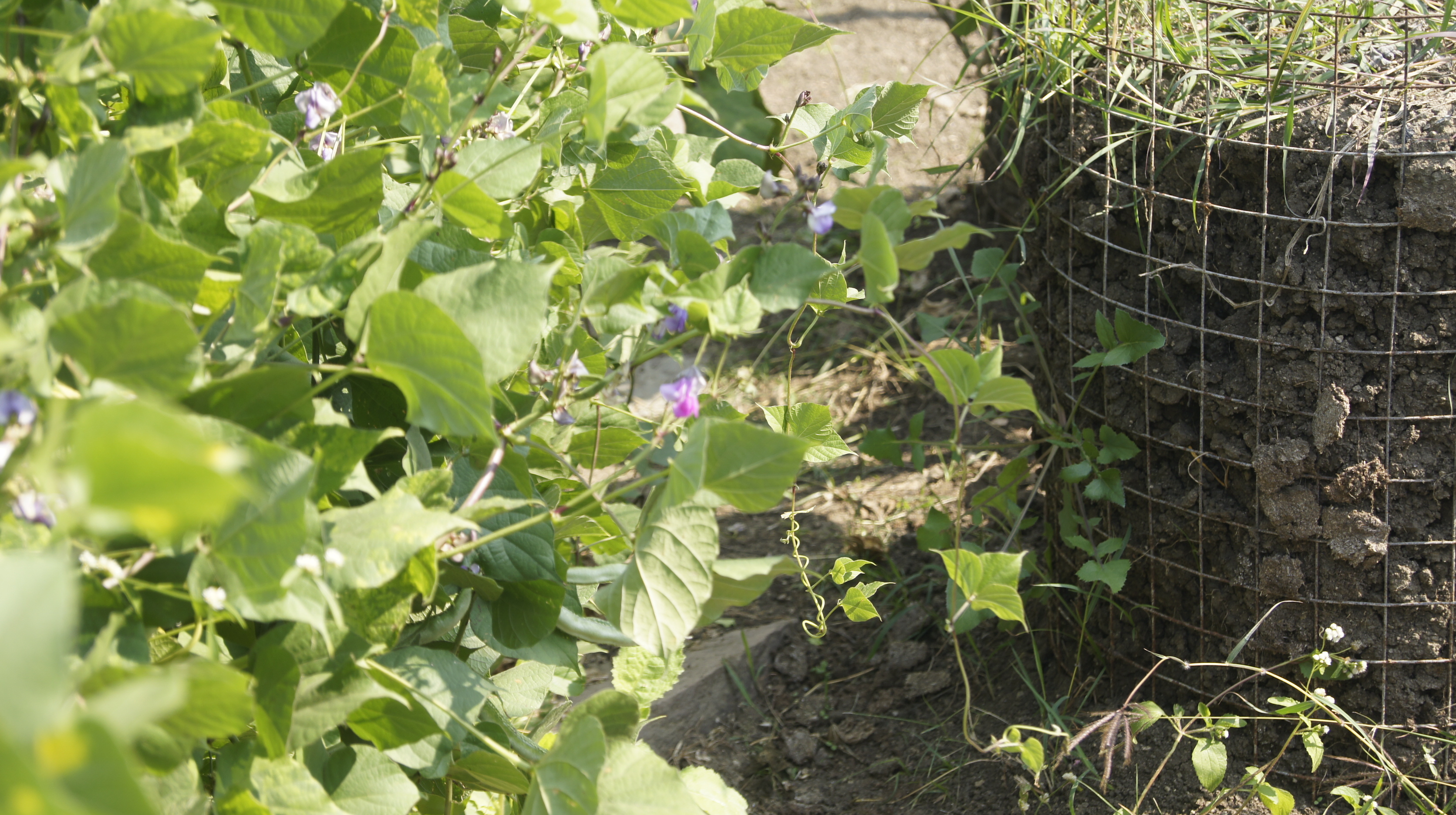
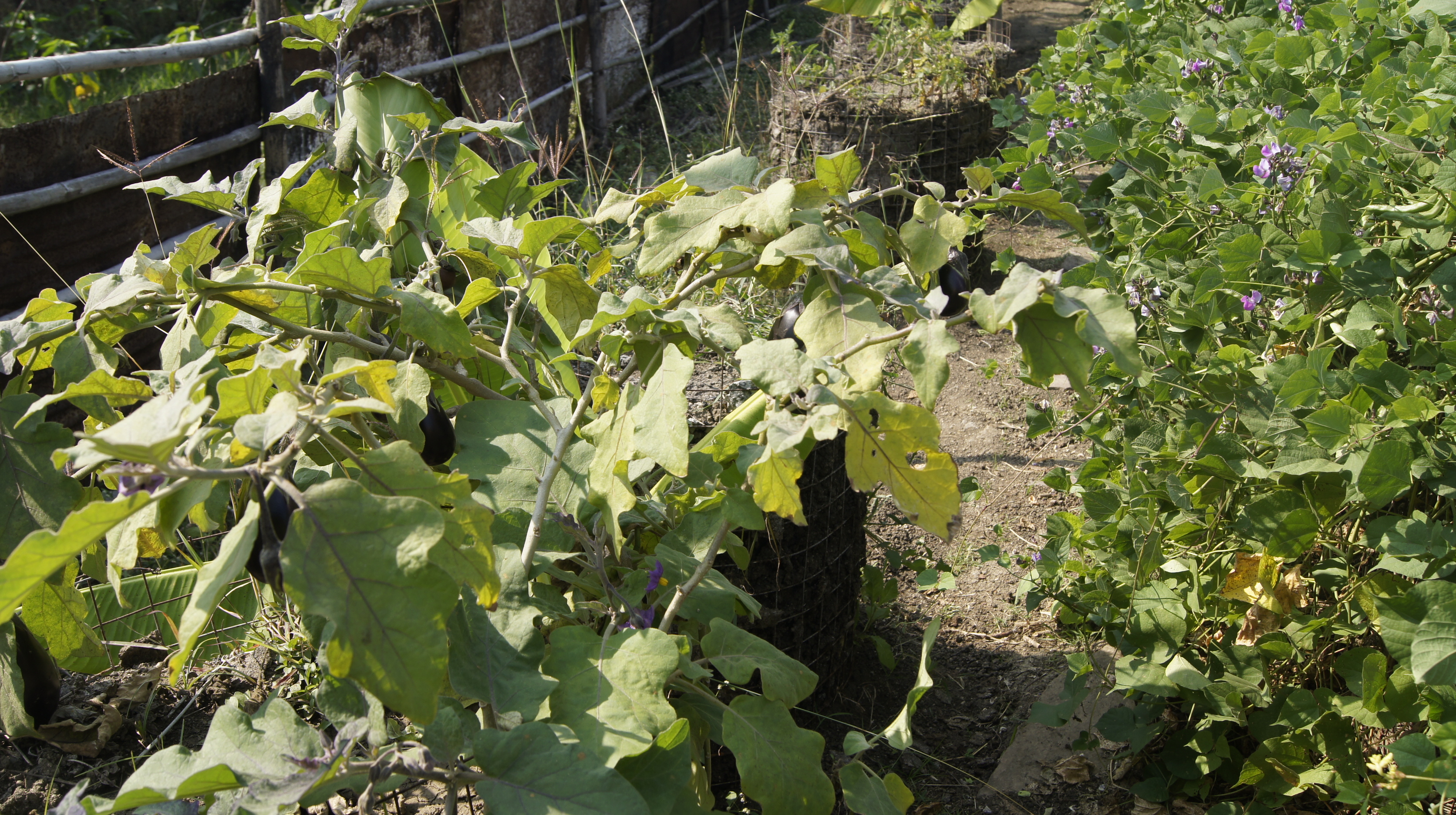
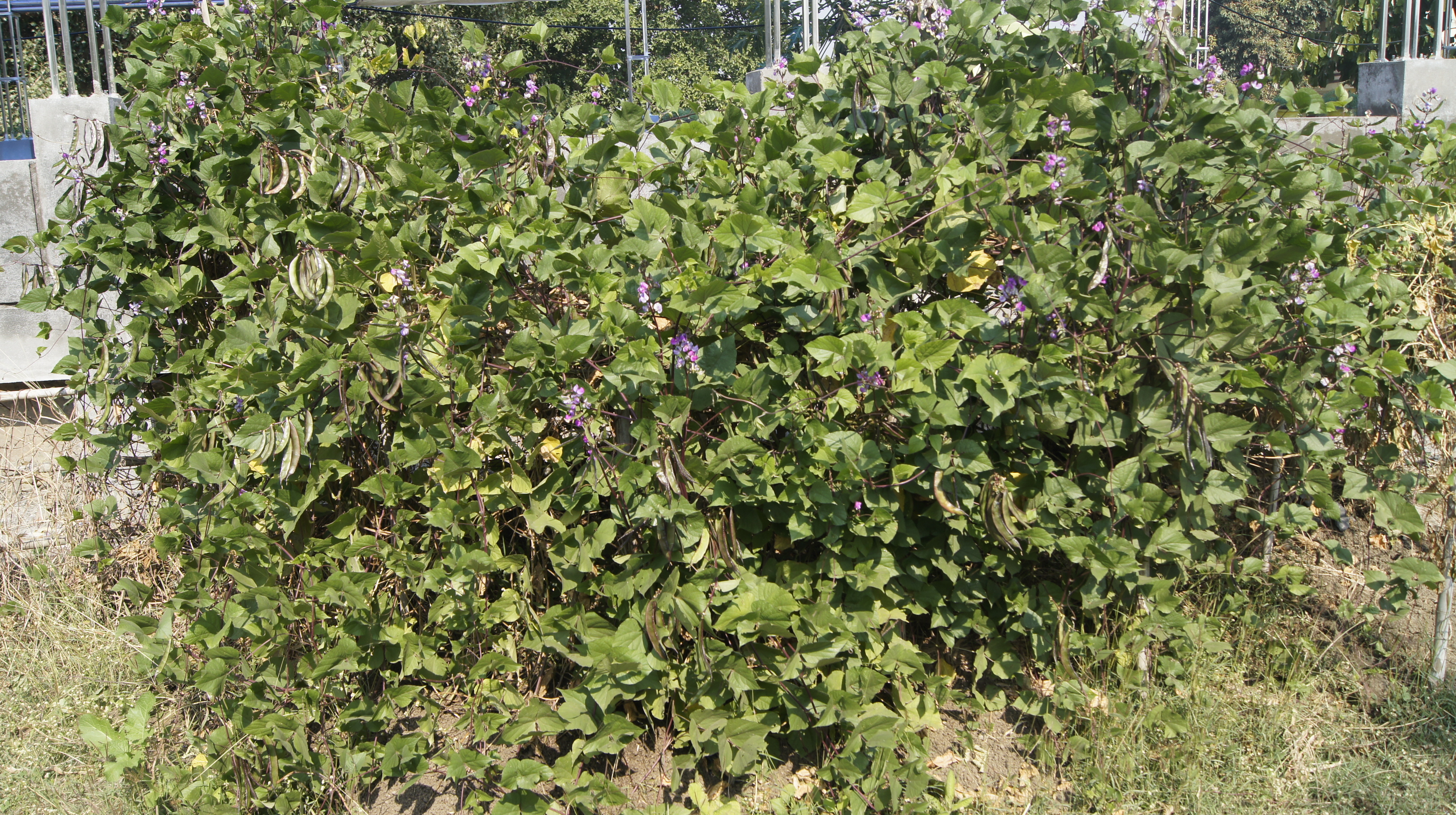
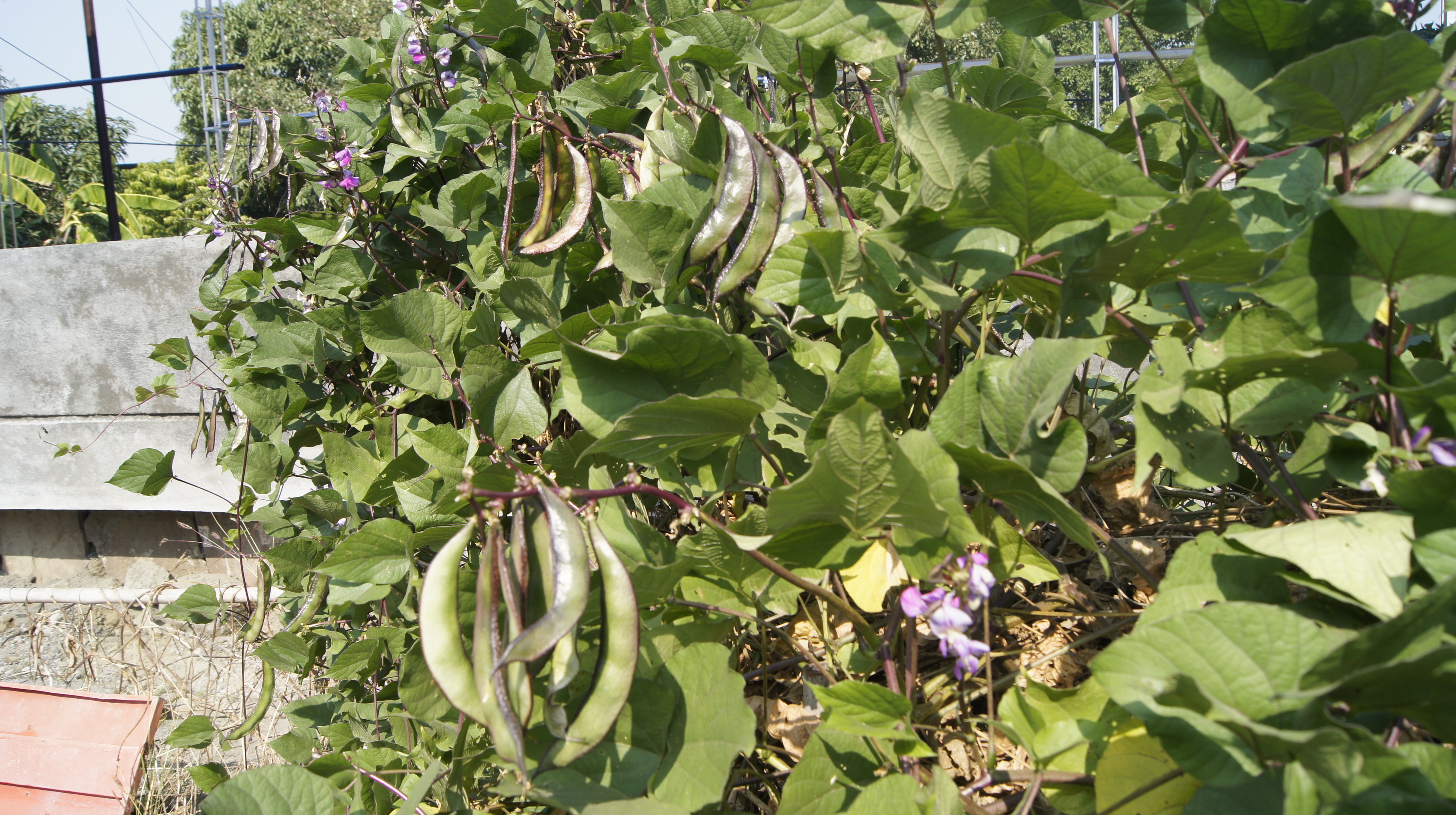
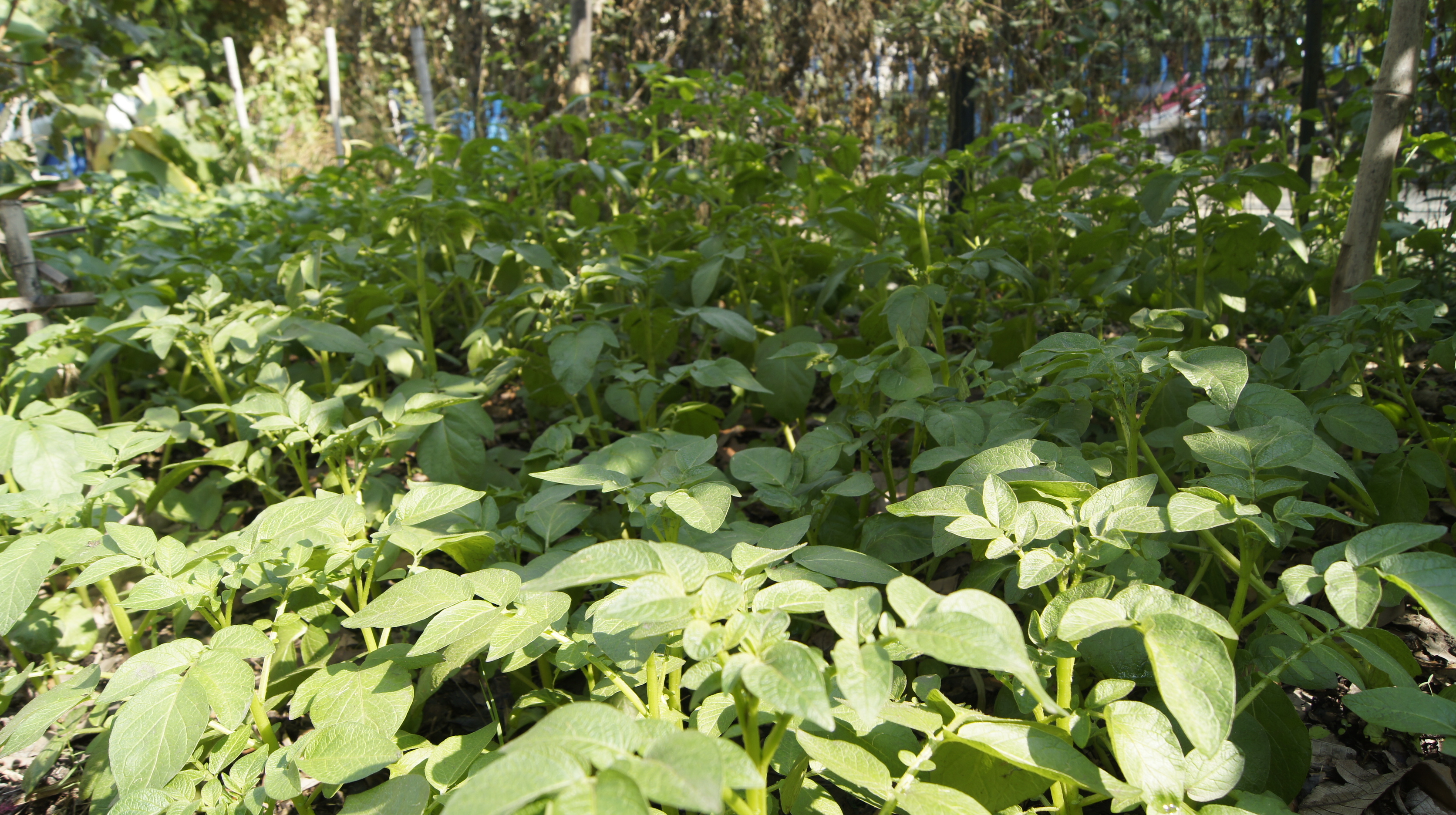
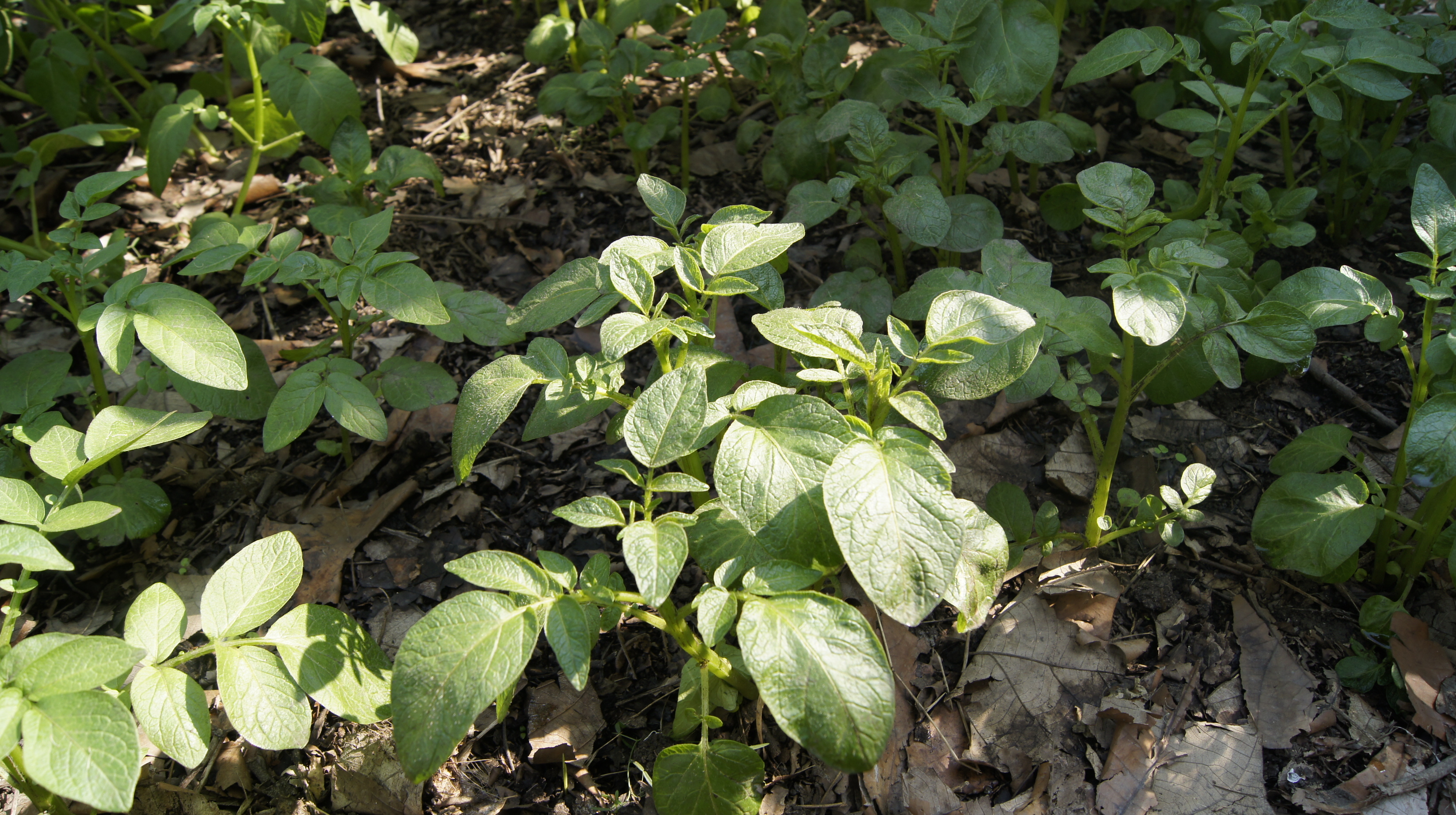
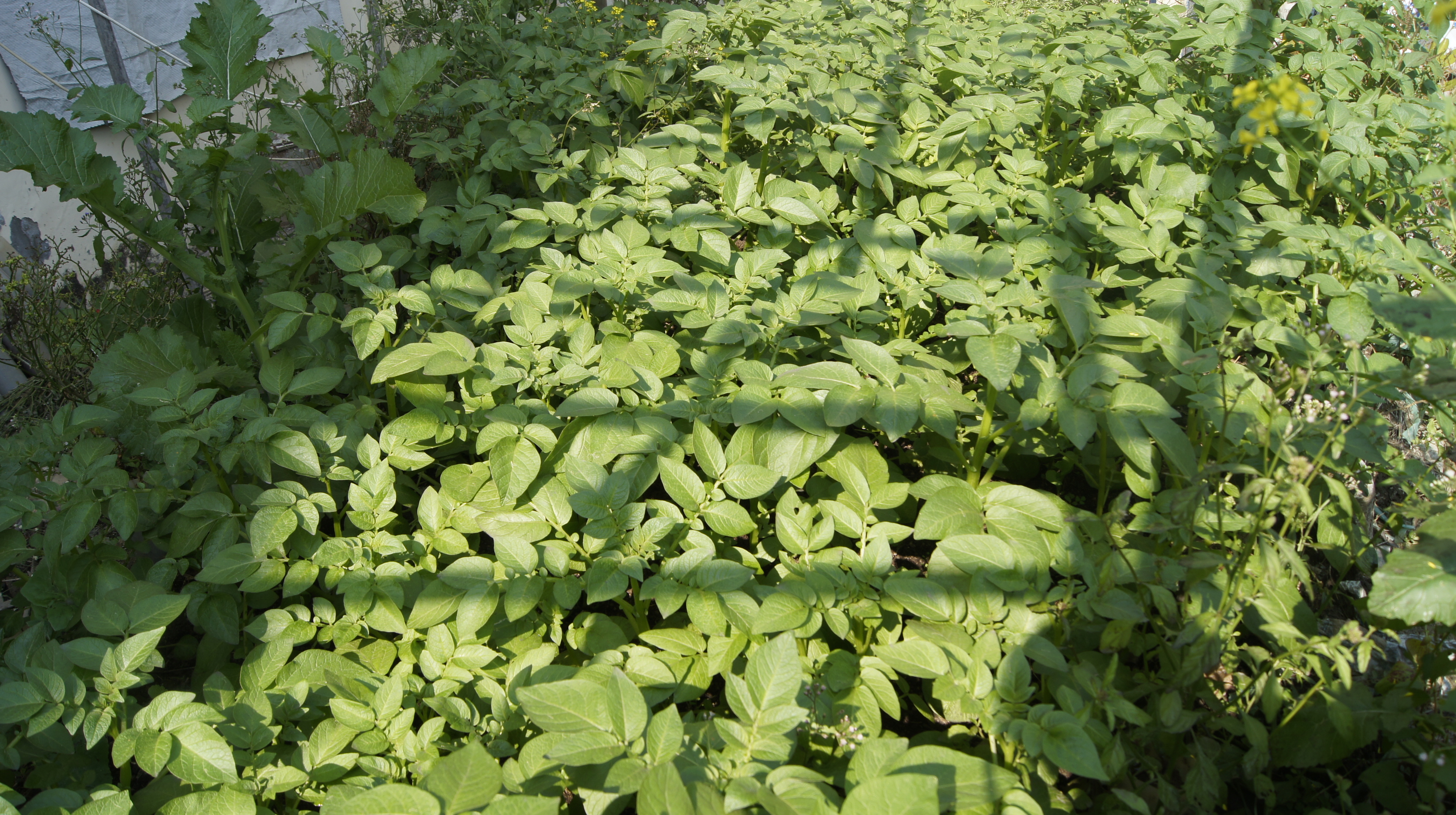
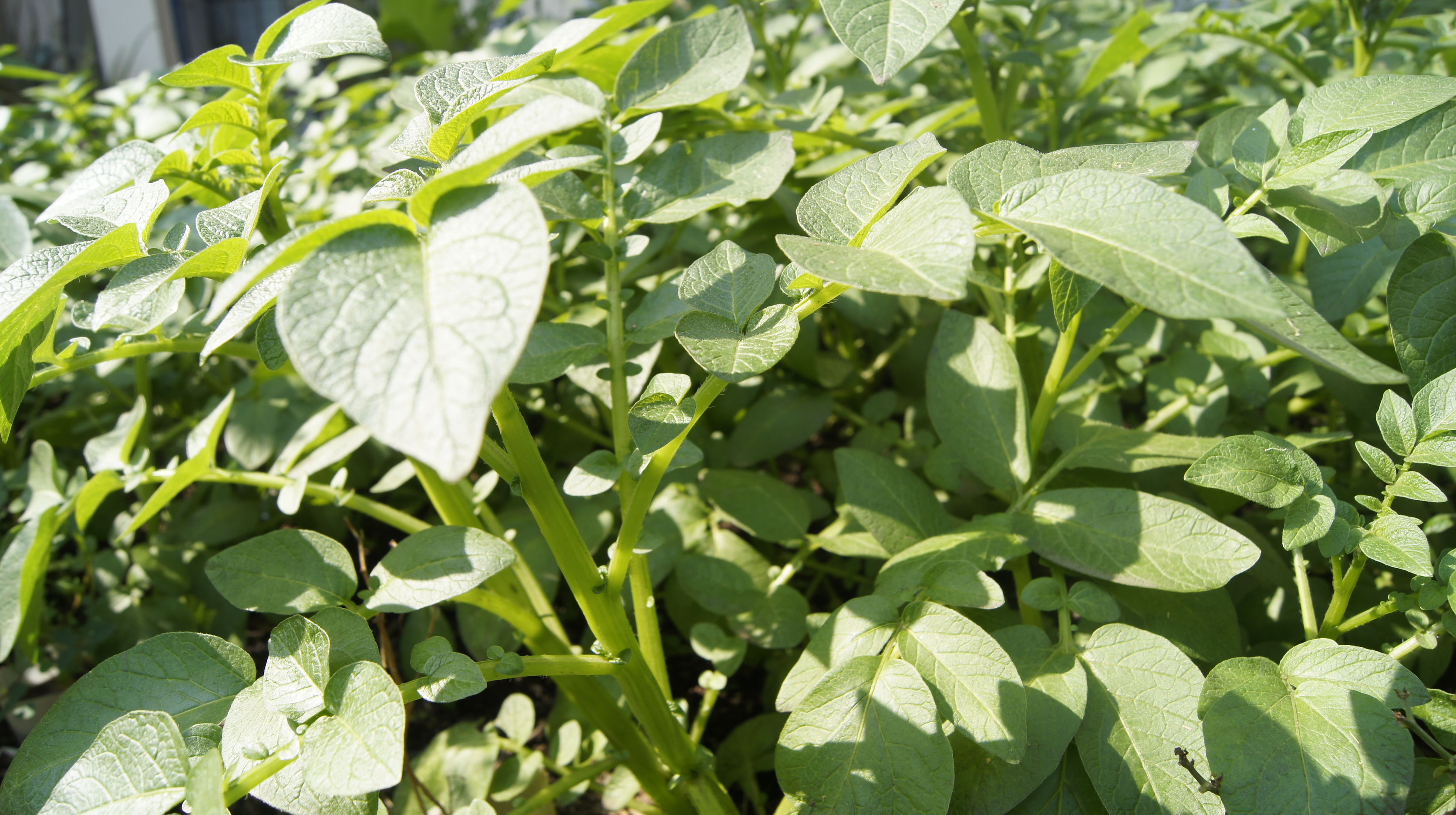
Madhav Ashram has been practicing Agnihotra-based organic farming regularly
since 1976. For over 52 years, no chemical fertilizers or pesticides have been
used in its fields. The ashram follows a natural system that combines
traditional farming with the spiritual practice of Agnihotra. This method has
helped maintain soil purity, improve crop quality, and promote a sustainable
and eco-friendly agricultural model.
Madhav Ashram has emerged as a meaningful center for promoting
organic farming rooted in traditional Vedic practices. The ashram emphasizes a
natural and sustainable approach to agriculture, avoiding chemical fertilizers
and pesticides while encouraging the use of cow-based products and natural
inputs. This method not only preserves soil fertility but also supports a
healthier ecosystem, aligning farming practices with spiritual and
environmental values
Madhav Ashram has emerged as a meaningful center for
promoting organic farming rooted in traditional Vedic practices. The ashram
emphasizes a natural and sustainable approach to agriculture, avoiding chemical
fertilizers and pesticides while encouraging the use of cow-based products and
natural inputs. This method not only preserves soil fertility but also supports
a healthier ecosystem, aligning farming practices with spiritual and
environmental values
Madhav Ashram has emerged as a meaningful center for
promoting organic farming rooted in traditional Vedic practices. The ashram
emphasizes a natural and sustainable approach to agriculture, avoiding chemical
fertilizers and pesticides while encouraging the use of cow-based products and
natural inputs. This method not only preserves soil fertility but also supports
a healthier ecosystem, aligning farming practices with spiritual and
environmental values
1. Learn and perform Agnihotra correctly
Do Agnihotra exactly at sunrise and sunset using a copper pyramid, dried cow dung cakes, cow’s ghee, and unbroken rice grains. Accuracy in timing and method matters, as consistency is key in this practice.
2. Use Agnihotra ash in the field
Collect the ash after each ritual and use it as a soil
enhancer. You can:
Mix it with compost or farmyard manure
Dissolve a small amount in water and spray on crops
Apply lightly around plant roots
3. Follow natural farming principles
Compost, vermicompost, or cow dung manure
Natural pest repellents (like neem-based sprays)
Crop rotation and mixed cropping to maintain soil health
Avoid chemical fertilizers and pesticides. Instead use:
4. Prepare “Agnihotra water”
Add a pinch of Agnihotra ash to water, keep it for some hours, and then use it for irrigation or foliar spray. Many farmers believe this improves plant vitality.
5. Maintain soil health
Add a pinch of Agnihotra ash to water, keep it for some hours, and then use it
for irrigation or foliar spray. Many farmers believe this improves plant
vitality.
6. Observe and adapt
Watch how your crops respond. Agnihotra farming is often combined with local knowledge, climate conditions, and traditional practices—so adjust methods based on results.
7. Start small
Try it on a small plot first before applying it to your entire farm. Compare results with conventional methods to understand its effect.
If you want, I can also create a step-by-step daily schedule for Agnihotra farming or a training-style guide.

Agnihotra farming blends natural agriculture with the Vedic fire practice of Agnihotra. It’s not magic on its own—you still need good soil management and farming basics—but many practitioners use it as a supportive method. Here are practical tips to get started:
Comments section !